Join our community
Subscribe to receive inspiration and exclusive access.


La pureza de la línea como declaración de principios: un equilibrio magistral entre el rigor clásico y la vanguardia minimalista.
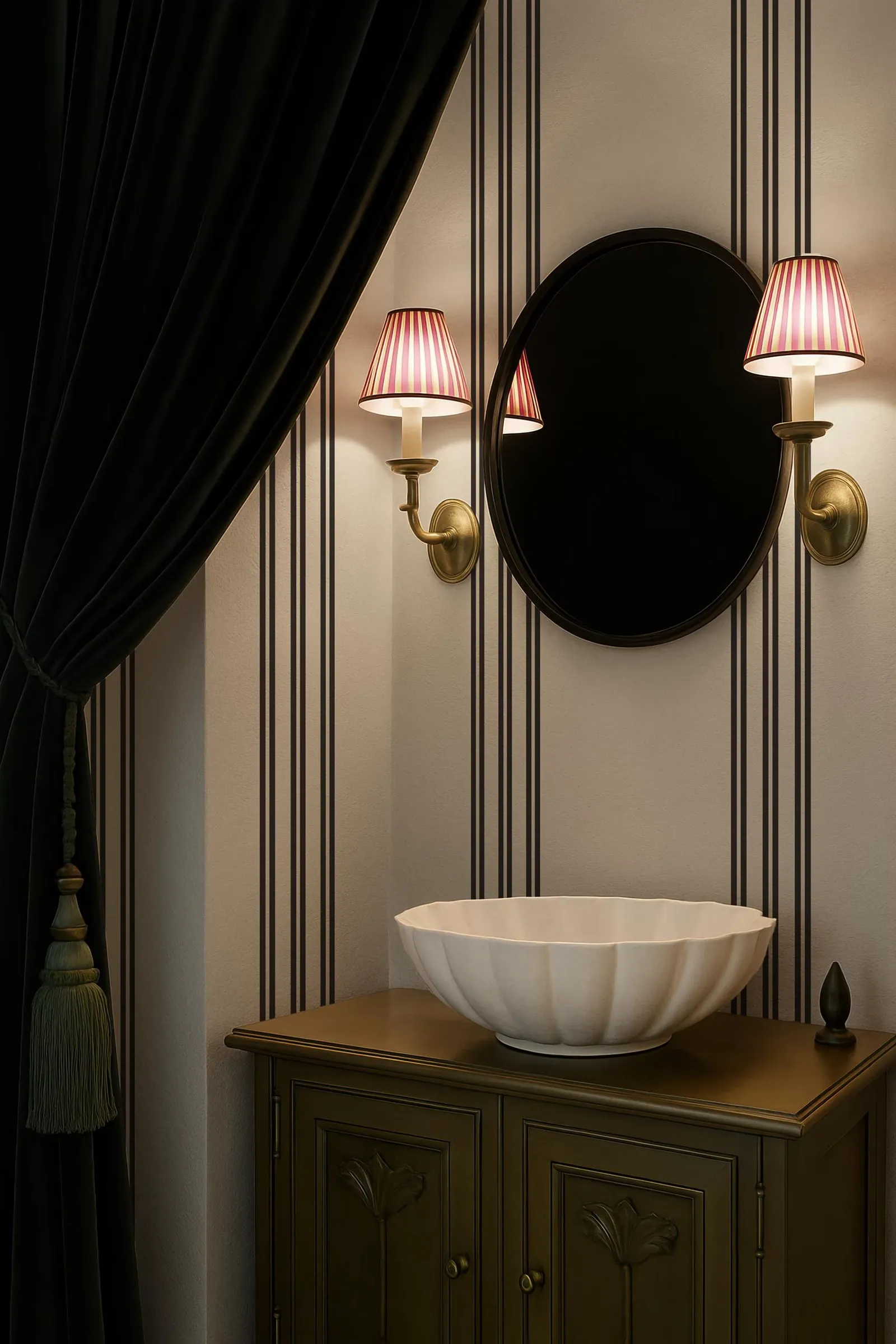
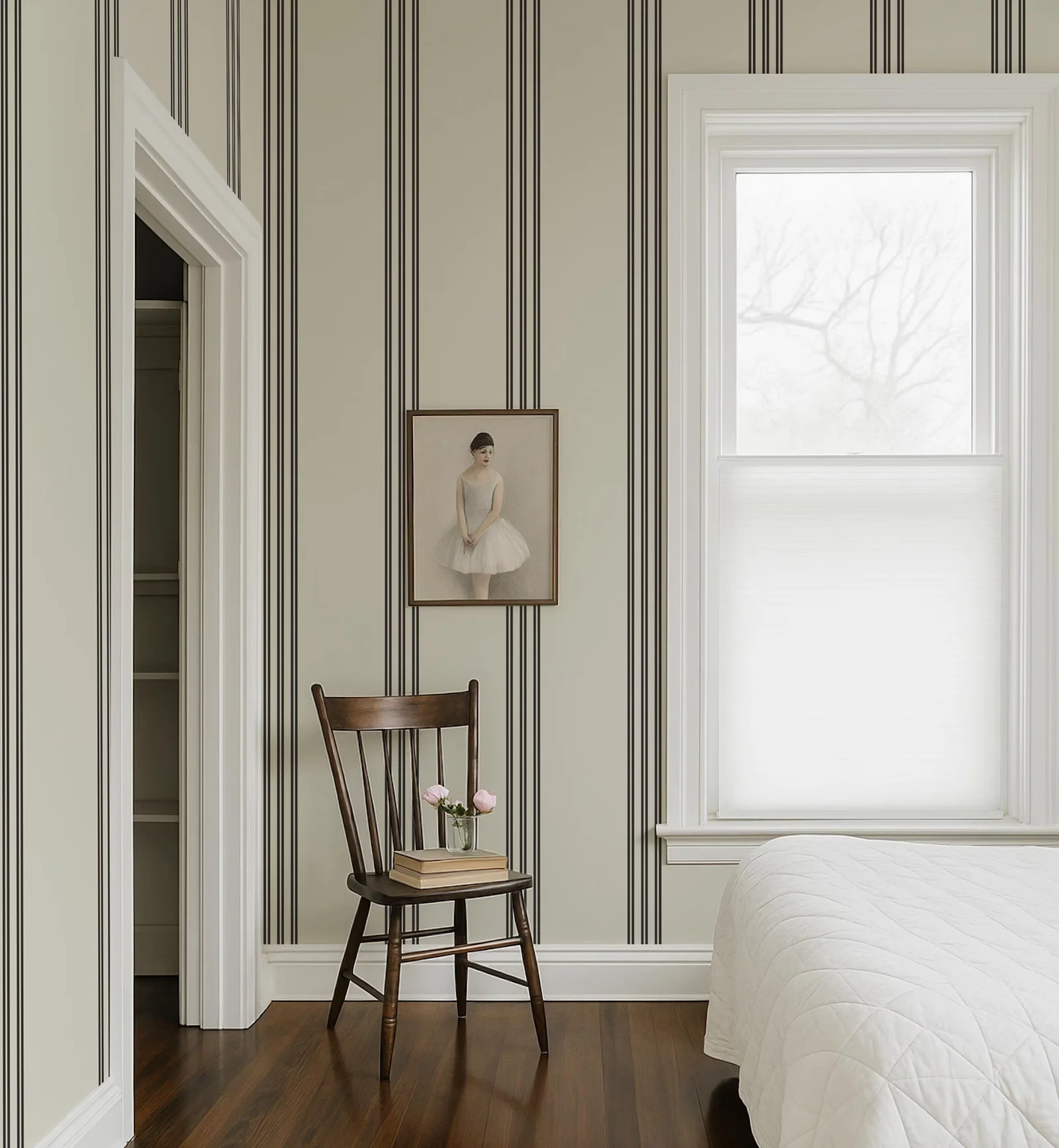
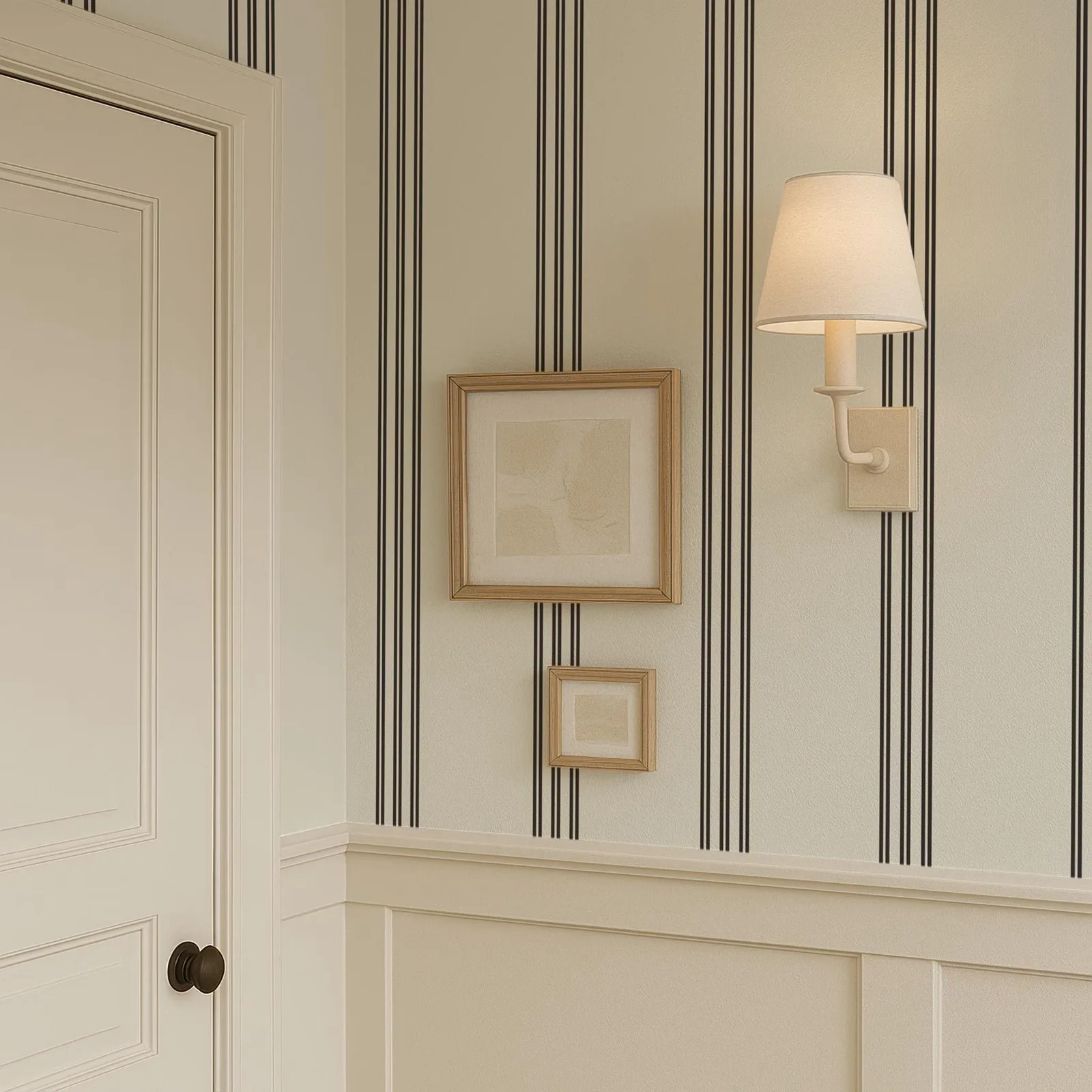
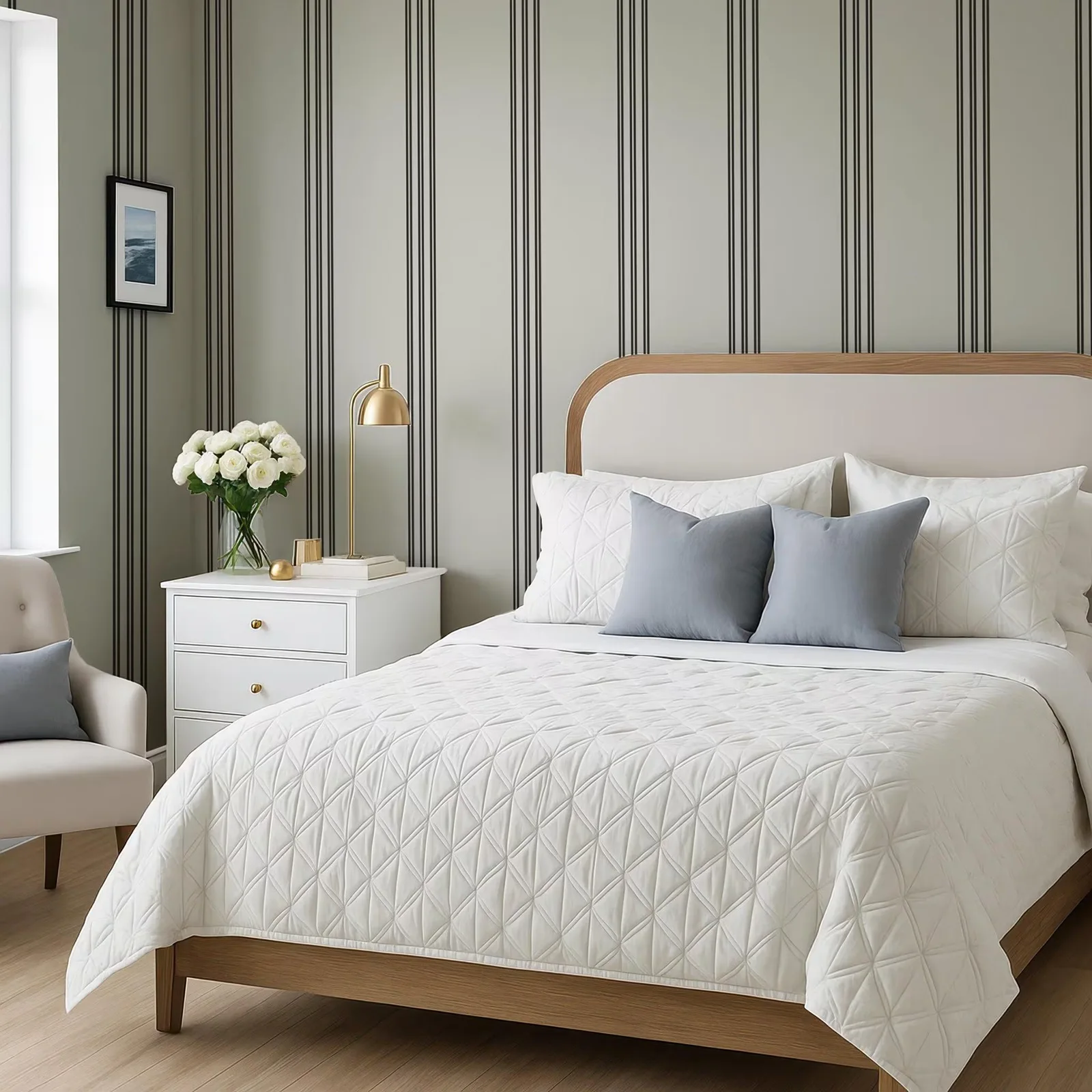
Redefina la estructura visual de su espacio con el Stripe Mid-Century Modern, un revestimiento que captura la esencia del diseño de mediados de siglo bajo una ejecución contemporánea impecable. La alternancia rítmica de tonos Black & Ivory crea una cadencia visual que aporta altura, orden y una sofisticación innegable. Este mural no solo viste la pared, sino que redefine sus proporciones, convirtiéndose en el lienzo ideal para destacar mobiliario de autor o piezas de arte. Ya sea en un despacho de alta dirección o en un salón de estética Luxe-Minimal, su diseño de líneas clásicas garantiza una presencia atemporal que sobrevive a las tendencias.
| Atributo de Lujo | Detalle de Ingeniería Estética |
| Dicotomía Black & Ivory | Contraste cromático de alta definición diseñado para aportar profundidad y un carácter gráfico sofisticado. |
| Linealidad Estructural | Patrón de franjas verticales optimizado para elevar visualmente los techos y zonificar espacios con precisión arquitectónica. |
| Versatilidad de Soporte | Disponible en configuración Peel & Stick para una renovación inmediata o Tradition Un-Paste para una instalación artesanal. |
| Acabado Satin-Refinement | Superficie de baja reflectividad que suaviza la transición entre tonos, ofreciendo un tacto sedoso y una apariencia impecable. |
| Estética Mid-Century Elite | Inspirado en los movimientos racionalistas, ideal para complementar interiores con maderas de nogal, acentos en bronce y cueros nobles. |



STEP 1: Prepare the wall surface
Your wall must be completely flat, clean and dry. Levels rough surfaces, rough, holes and uneven spots.
Your wall should be a uniform color. If not, you may notice differences in color on your wall once installed. If your wall has multiple colors, we recommend that you paint again.
Make a vertical line with a plumb line on the left edge of the area you want to cover with the mural. If you have a plumb, one can make your own by tying a heavy object on the end of a rope. This line is very important because it is the guide to start placing your mural.
STEP 2: Prepare the wallpaper
The wallpaper panels are made with a width of 50 cm(19.7"). Panels are received printed continuously on a roll and numbered at the top.
Cut independent panels and do a preview on the ground following the numerical order from left to right.
Measure with a meter the height of your wall. If it's less than the photomural, you must cut it to fit properly. Do it while you have it on the floor but leave a margin of an inch to correct any differences in level on the wall.
STEP 3: Prepare the glue
You may buy the glue from your supermarket, confirm it's for non-woven wallpaper use.
Prepare the glue following the instructions on the bag of the glue you bought. Do it slowly. So you will obtain a uniform mixture and without bubbles.
STEP 4: Attach the paper to the wall
Applying glue on the wall evenly using a brush or a paint roller. Start distributing from the line you marked as a guide to the plummet. Don't paste the entire wall, do it only in the area that will cover the first panel on the left, leaving a few inches outside the right.
Apply the first panel of the mural on the wall starting at the top left. Check that is aligned with the guide.
Presses against the paper with a dry roller or sponge to remove any air bubbles.
Place the following panels in the same way in numerical order. The panels must not be mounted on each other but are set on edge.
Clean the excess glue with a damp sponge.
STEP 5: Finishing
With the help of a ruler and a cutter, adjust the sides and the top and bottom of the wall if necessary.
Let dry 24 hours; you will get a perfect final result